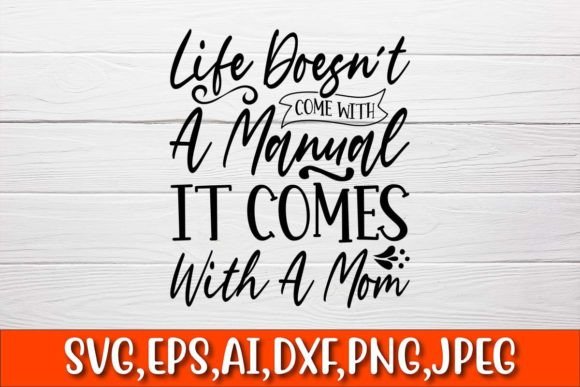
Life Doesn't Come with a Manual It Comes
As an embroidery designer and product reviewer, I’ve seen my fair share of digital files that promise the world but deliver little in practice. Life Doesn't Come with a Manual It Comes is one such design that caught my attention not just for its message, but for its potential in real-world embroidery projects. Let’s break it down from a practical perspective.
The First Impression
From the moment I opened the .zip file, I was struck by the simplicity and clarity of the design. The phrase “Life Doesn't Come with a Manual It Comes” is bold, yet understated. The layout is clean, with a balanced composition that allows for easy adaptation across different fabric types and project sizes. The wordplay is clever, and the visual personality feels modern, relatable, and slightly whimsical—perfect for a wide range of handmade and commercial applications.
The design isn’t overly intricate, which makes it versatile. It doesn’t demand attention through complexity, but rather through its message and the way it can be interpreted in different contexts. Whether it’s on a tote bag, a sweatshirt, or a baby onesie, it has a natural place in the world of custom apparel and personalized gifts.
Real-World Embroidery Performance
I tested Life Doesn't Come with a Manual It Comes on a few different fabrics to see how it would hold up. On a cotton tote bag, it looked great—clean lines, good stitch density, and clear lettering. The design worked well with both satin and fill stitches, and the overall appearance was professional and polished.
On a lightweight t-shirt, the design didn’t overwhelm the fabric. The thread colors contrasted nicely against the background, and the stabilizer helped keep everything in place. For a baby onesie, the design was subtle enough to feel appropriate, yet still meaningful. It could easily become a cherished item for a new parent.
For a more detailed project, like a patch or an apron, the design’s simplicity made it easy to adapt. It wasn’t too busy to work on a small hoop, and the layers were well-organized for easy editing. This makes it a solid choice for crafters looking to create unique, handmade products for their shops or online listings.
Where to Use It Carefully
While Life Doesn't Come with a Manual It Comes is generally versatile, there are a few situations where extra care is needed. On small hoop sizes, the design might require some adjustment to ensure all elements are visible. If you’re working on a cap or a curved surface, the design may need some tweaking to fit properly.
On dark fabrics, the thread color choice becomes critical. A light-colored thread might not show up as well, so testing is essential. Similarly, on textured or stretchy fabrics, the design could lose some definition if not stabilized properly. Thin or delicate fabrics also require careful handling to avoid puckering or distortion.
If you’re planning to use this design for a commercial project, make sure to check the licensing terms before selling any finished products. While the design is clearly intended for personal or small business use, understanding the restrictions is key to avoiding legal issues later on.
Visual Appeal and Practical Value
One of the strengths of Life Doesn't Come with a Manual It Comes is its ability to resonate emotionally. It’s a design that speaks to the idea of embracing life’s unpredictability, which makes it highly marketable. Whether it’s used as a holiday gift, a wedding present, or a simple reminder for a friend, the message is universal and timeless.
In terms of visual appeal, the design holds up well under different lighting conditions and fabric backgrounds. It’s not flashy, but it’s confident. That kind of quiet strength is exactly what many customers look for in handmade and personalized products.
For small business owners and Etsy sellers, this design offers a lot of value. It’s easy to customize, adaptable to various project types, and has a strong emotional hook. It can be used in printable mockups, digital product previews, and even as part of a larger branding strategy for boutique products or craft fair items.
Practical Designer Notes
Before using any embroidery file, I always recommend testing it on scrap fabric first. This helps identify any issues with stitch density, thread color contrast, or stabilizer needs. For Life Doesn't Come with a Manual It Comes, I found that a medium-weight stabilizer worked best for most fabrics.
Check the stitch density to make sure it’s appropriate for your project. If the design is too dense, it might cause the fabric to pucker or the threads to break. Also, confirm the hoop size required for the design. Some files may need a larger hoop than expected, especially if they have multiple layers or complex elements.
Inspect the small details closely. Tiny lettering or decorative accents can sometimes get lost in translation during the embroidery process. Test the design in black and white mockups to see how it looks without color. Compare it against both light and dark fabric backgrounds to ensure visibility and contrast.
Finally, always verify whether the design is suitable for both personal and commercial use. Even if it’s a digital download, licensing agreements can vary, and it’s better to be safe than sorry.
Final Thoughts
Life Doesn't Come with a Manual It Comes is a thoughtful, well-designed embroidery file that offers a lot of potential for creative professionals. It’s not overly complicated, but it’s not simplistic either. It strikes a balance between message and aesthetics that makes it ideal for a wide range of projects.
Whether you’re an embroidery designer, a small business owner, or a hobbyist looking to add something meaningful to your collection, this design is worth considering. Just remember to test it thoroughly, understand the limitations, and use it wisely in your projects.